

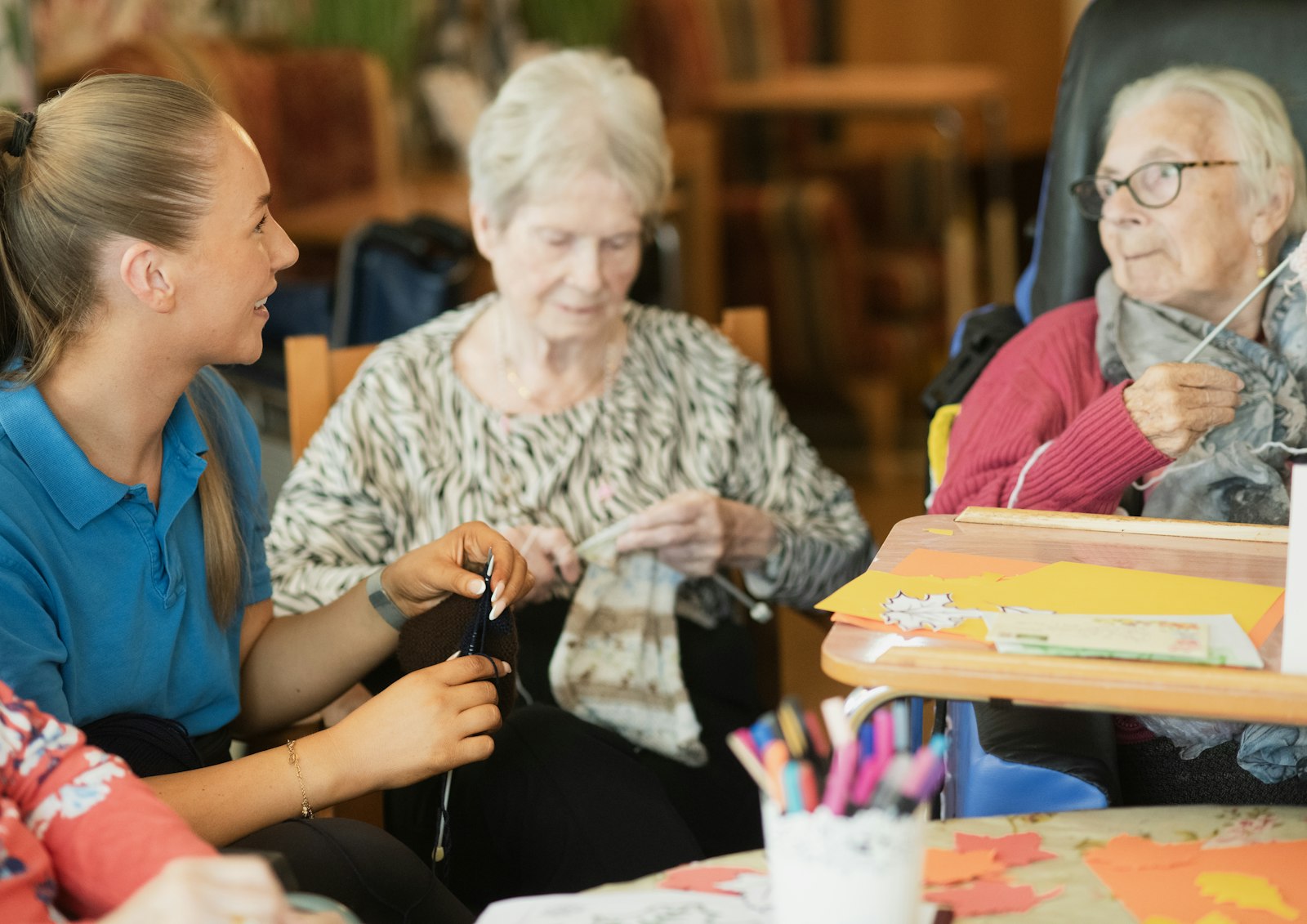
Key takeaways
- A steady daily rhythm reduces confusion and anxiety for people living with dementia.
- Keep the order of the day the same, but stay flexible about timing.
- Visual cues, simple checklists and rest breaks make daily tasks easier.
- Late afternoon is often the hardest time. Plan calm activities and soft light.
- A consistent caregiver and regular respite protect everyone's wellbeing.
1. Why routine matters in dementia care
When memory is unreliable, a predictable day becomes a kind of map. Knowing that breakfast follows washing, and a walk follows lunch, means fewer decisions and less worry. Routines can also protect skills: someone who has always set the table can often keep doing it, with a little help, long after other tasks have become hard.
Build the routine around the person's own history. A retired baker may enjoy kneading dough. Someone who prayed at dawn for 60 years may feel unsettled if that moment disappears.
2. A sample daily routine
| Time | Activity | Tip |
|---|---|---|
| Morning | Wake up, toilet, wash, get dressed | Lay out clothes in the order they go on. Offer two choices, not ten. |
| Breakfast | A familiar breakfast and morning medication | Same seat, same cup. Plain plates help food stand out. |
| Late morning | The day's main activity: a walk, an errand, gardening | Energy and mood are often best earlier in the day. |
| Lunch | Main meal, then a drink and a rest | Offer water often. Thirst signals can fade with age. |
| Afternoon | Something calm and creative: music, art, photos, folding laundry | Keep sessions short and stop while it's still enjoyable. |
| Late afternoon | Quiet time, a snack, lights on before dusk | Reduce noise and visitors. Close curtains as it gets dark. |
| Evening | Light supper, wash, a familiar bedtime ritual | Avoid caffeine later in the day. Use night lights to the bathroom. |
3. Making each part of the day easier
- Mornings: give one step at a time ("Here's your shirt"), and allow extra time. Rushing is the most common trigger for refusal.
- Bathing: warm the bathroom first, keep the person covered with a towel, and explain each step. If showers are frightening, try a sponge bath and come back to it later.
- Meals: serve one or two foods at a time, offer finger foods if cutlery is hard, and eat together if you can.
- Visual cues: labels or pictures on cupboards, a large clock with the day and date, and a simple whiteboard with today's plan.
- Checklists: a short list by the door (keys, glasses, coat) or by the bathroom sink can support independence.
- Rest: build in breaks. Fatigue makes confusion worse.
- Late afternoon: many people become restless or upset as the light fades. Keep this time quiet and familiar, and talk to the doctor if it is getting worse.
4. Activities that work
The best activities feel useful or familiar and don't depend on remembering rules:
- Folding towels, sorting buttons, watering plants or setting the table
- Looking through photo albums and talking about the people in them
- Music from their teenage years, or devotional songs they know by heart
- Short walks, or gentle chair exercises
- Painting, collage and clay. Read our guide to art therapy for seniors for simple ideas.
5. Safety at home
- Use stove knob covers or an automatic shut-off, and keep medications locked away.
- Add door chimes or sensors if wandering is a risk, and keep a recent photo in case you need to describe them.
- Remove trip hazards and add night lights. Our fall prevention checklist goes room by room.
- Keep emergency numbers and a medication list by the phone.
6. Support for you
Dementia care is a marathon. Ask your doctor about a referral to your local Alzheimer Society through the First Link program. The Ontario Caregiver Helpline (1-833-416-2273) is free and open 24/7. Plan regular breaks before you need them; our guide to caregiver burnout explains how respite care helps.
7. How Artistic Home Care helps
Our dementia care at home is built around a consistent caregiver and a calm, familiar routine. Our registered nurse assesses safety at home and builds the plan with you, from 4-hour visits a few times a week to 24-hour supervision. Families can add optional art therapy with a wellness art therapist specialized in senior care.
We support families across Toronto, Mississauga, Brampton and the GTA. Book a free consult or call 437-985-6225, any time.
Frequently asked questions
What time of day is hardest for someone with dementia?
For many people it is late afternoon and early evening, when tiredness and fading light can bring restlessness. Keep this time quiet and predictable.
How do I get someone with dementia to accept help?
Introduce the caregiver as a friend or helper, start with an enjoyable activity rather than personal care, and keep the same person where possible.
When is 24-hour dementia care needed?
Consider it when someone can't be left alone safely: night-time wandering, frequent falls, or leaving the stove on. Our 24-hour care vs long-term care guide compares the options.
Can someone with dementia stay at home safely?
Often, yes, with the right support and a safe home. A nurse's assessment helps you plan the level of care needed.
Cover photo: Age Cymru on Unsplash
Published 19 October 2026 · Last updated 19 October 2026